
Plumber in Santee, CA
Plumbing problems, diagnosed before they’re fixed.
Santee Flow Plumbing is a locally owned, family-owned plumber in Santee, CA, working with homeowners and businesses on issues like a dripping faucet, a slow drain, a water heater that won’t heat, or a leak behind a wall — from routine repairs to more involved diagnostic work.
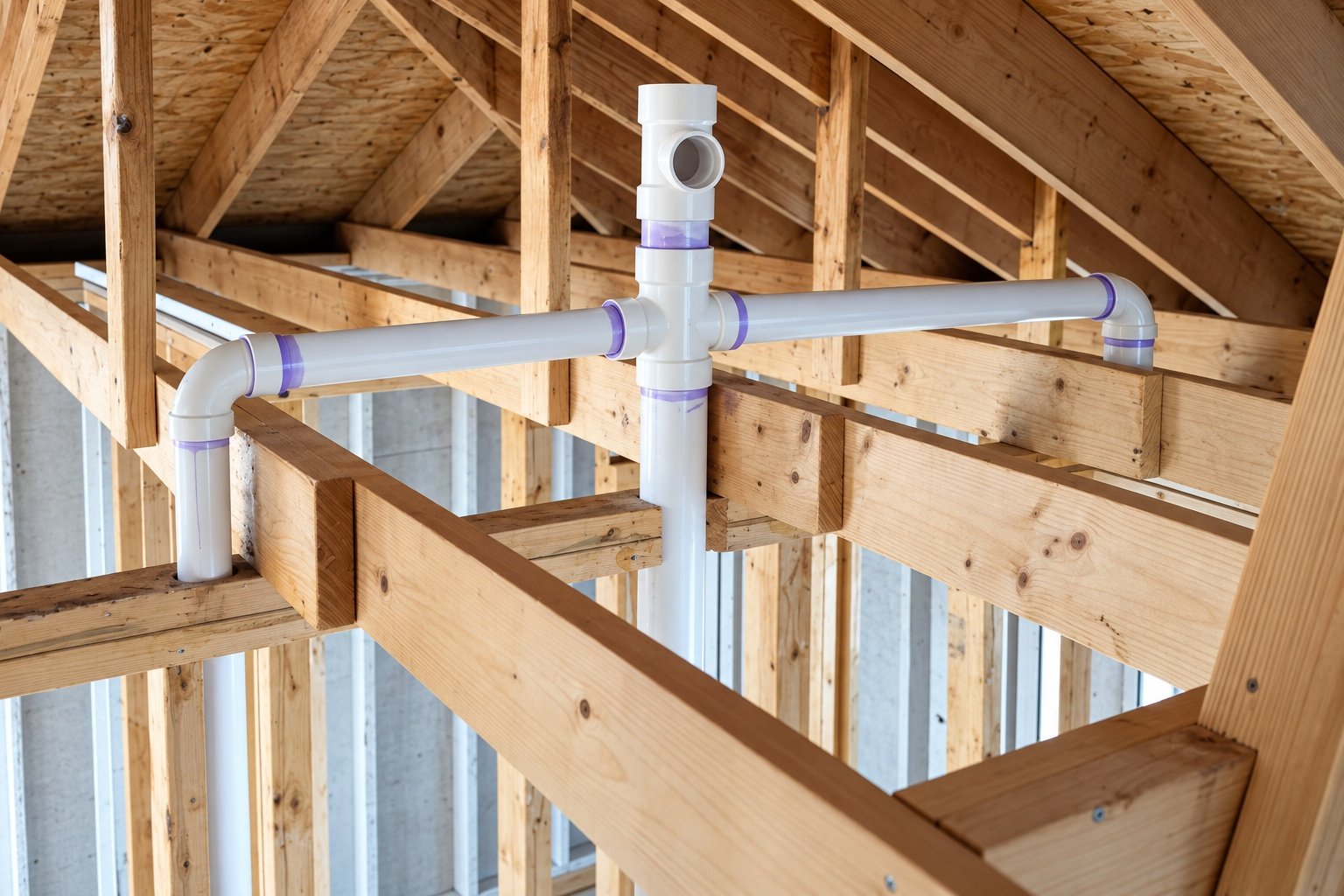
Santee Flow Plumbing serves homeowners and businesses throughout Santee and the surrounding East County. We handle everything from emergency leaks and clogged drains to water heaters, hidden leaks, and full repiping — call (619) 389-3900 or use the Contact page to describe your situation and confirm current scheduling.
What plumbing problem are you dealing with?
If none of these match exactly, that’s normal. A plumber can narrow the likely cause after reviewing which fixtures are affected, when the problem started, and whether the issue is isolated or system-wide.
Find the right plumbing service
Browse by category
Popular services
All 22 plumbing services, A to Z
When is it a plumbing emergency?
Not every plumbing issue needs to be treated as urgent. Some situations do call for faster action:
Before help arrives, if it’s safe to do so:
- If you already know the correct property-side or fixture shutoff and can reach it safely, shut off the water
- Move belongings and electronics away from standing water
- Avoid using fixtures connected to a suspected backup
- Note when the issue started and whether it’s worsening
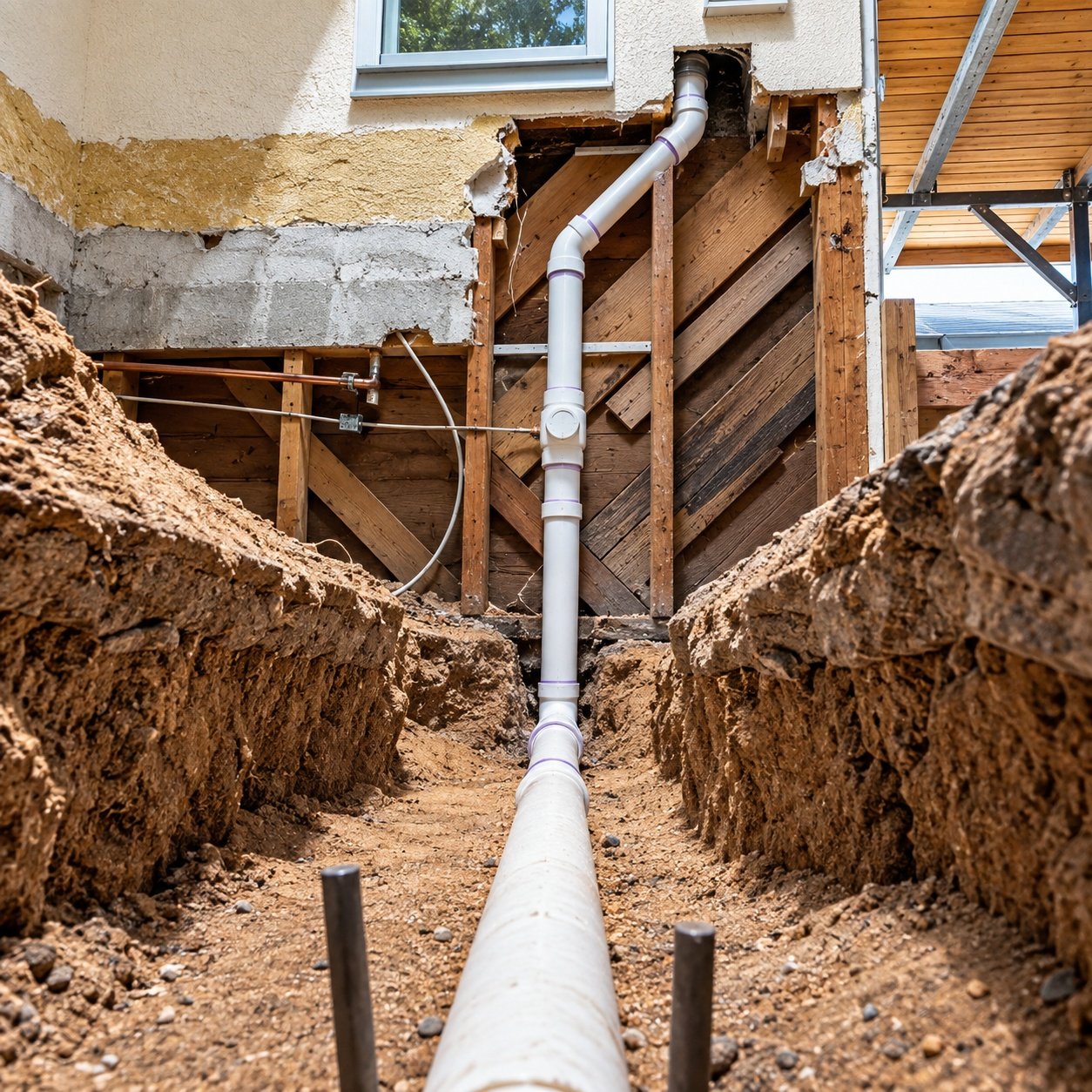
Drain and sewer: what fits your situation?
Common causes
Repair, replace, or consider tankless?
Common symptoms
Tank vs. tankless, at a glance
Leaks, Water Lines & Aging Pipes
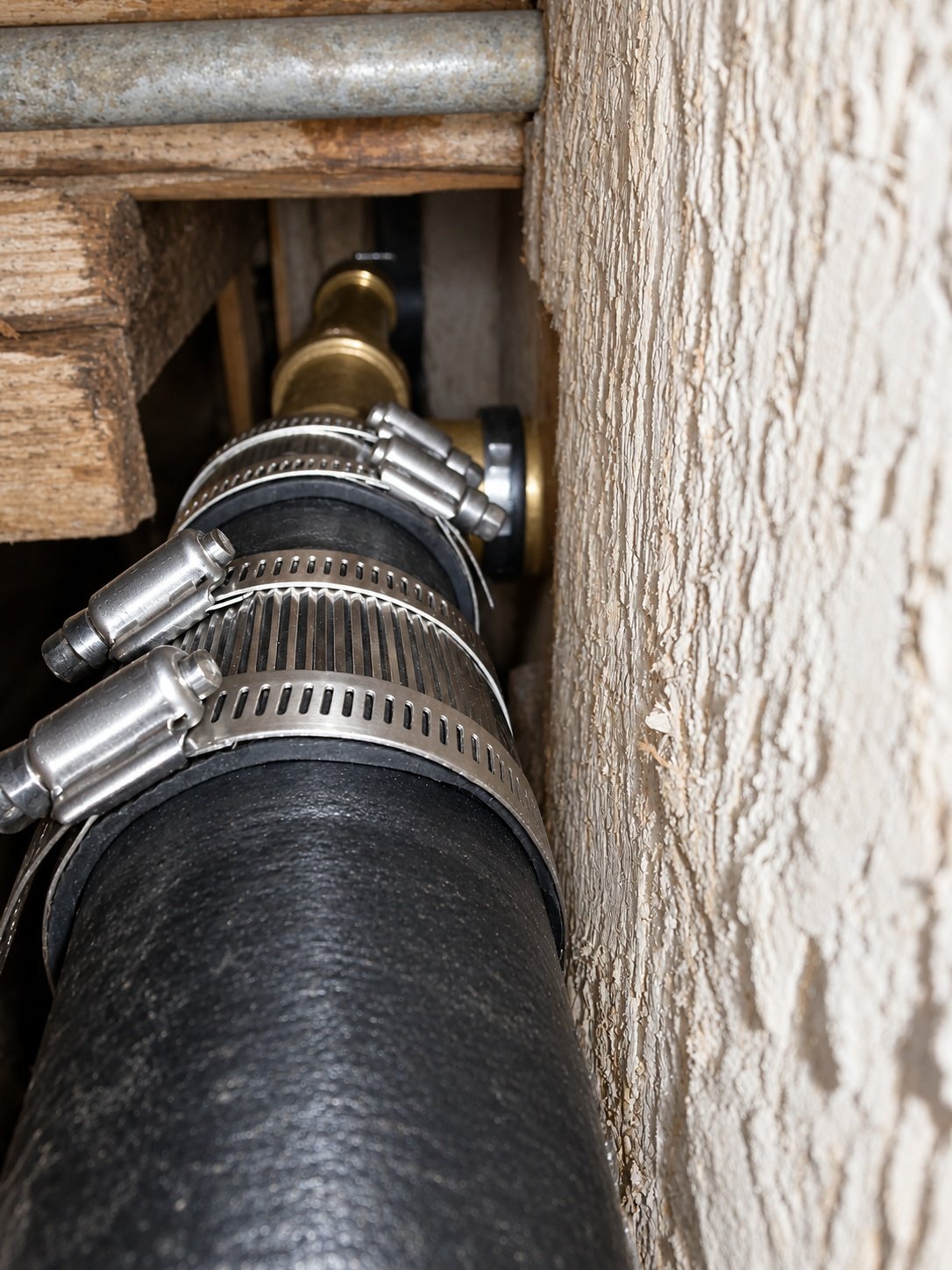
A hidden leak rarely announces itself. It shows up sideways — a water bill that doesn’t match your usage, a damp patch that wasn’t there last week, or the sound of water running when every fixture is off.
- Water bill higher than usual with no clear cause
- Damp wall, ceiling, or flooring with no visible source
- A warm spot on the floor (can point to a hot-water line leak under a slab)
- Water meter movement when all fixtures are confirmed off
- Reduced pressure with no obvious explanation
Where the evidence points
Aging pipes: repair or repipe?
A single leak is usually a targeted repair. A pattern of leaks in different places, persistent low pressure throughout the home, or rusty water from multiple fixtures often points to the underlying pipe material rather than one bad section.
Favors a targeted repair
- Number of past leaks: First occurrence
- Water discoloration: Isolated to one fixture
- Pipe material: Newer copper or PEX
- Water pressure: Normal outside one area
Favors repiping
- Number of past leaks: Repeated, in different locations
- Water discoloration: Affects multiple fixtures
- Pipe material: Original galvanized steel
- Water pressure: Low throughout the home
Common repiping materials
- Copper — a long-standing standard, generally durable and resistant to many corrosion patterns
- PEX — flexible plastic tubing, resistant to the corrosion affecting older metal pipe, often faster to install
- Galvanized steel — an older material that can develop internal corrosion over time
More plumbing services
How diagnosis, repair decisions, and cost typically work
Diagnosis first
- You describe the symptoms. Timing, what you’ve noticed, and any changes help narrow things down before anyone arrives.
- The relevant system is inspected. This may include visual inspection, pressure testing, or camera equipment depending on the issue.
- Findings are explained in plain terms. Including what caused the problem and what the options are.
- You decide on a direction. Repair, replacement, or further diagnostic work, depending on what the inspection shows.
- The work is completed. Scope and timing depend on what the inspection found, access to the affected plumbing, and whether repair or replacement is appropriate.
- You get a rundown of what was done. Including anything worth watching for afterward.
Repair vs. replacement
What affects cost
These factors generally influence cost:
A local crew that explains the options in plain terms.
A locally owned, family-owned plumbing company based in Santee — 15 years in business with a 4.9 customer rating.

What to compare when choosing a plumbing company
Santee Flow Plumbing has a 4.9 customer rating. Individual review excerpts are only published when their source details can be verified. See reviews →
Plumbing considerations around Santee
Santee is an incorporated city in San Diego County’s East County region, with newer developments such as Sky Ranch, Weston, and Riverwalk alongside older neighborhoods, and Padre Dam Municipal Water District provides its water and wastewater service. Housing age, pipe material, and plumbing layout vary block to block. Broadly, the kinds of issues a plumber sees across a region like this include:
- Aging galvanized or copper supply lines reaching the end of their practical service life
- Root intrusion into older sewer laterals, particularly on lots with established trees
- Water heaters reaching the point where component failures become more frequent
- Slab leaks in homes built on concrete foundations
- Everyday drain clogs from hair, grease, and general household use
Serving Santee & East County
Santee Flow Plumbing is based in Santee and extends service to these nearby East County communities:
Homeowner guides
Homeowner plumbing help
What you can check safely
- Which fixtures are affected, and whether it’s isolated to one
- Whether multiple drains are slow at the same time
- Visible moisture, staining, or dampness
- Unusual water heater noises
- Where your home’s main shutoff valve is located
Leave to a professional
- Anything involving gas piping or gas appliances
- Live electrical components near water
- Sewage exposure or cleanup
- Excavation around buried lines
- Sealed water heater components
- Pressurized repairs
- Utility-owned valves or meters
What to note before calling
- Which fixtures are affected — Helps separate a local fixture issue from a shared line problem
- When the problem started — Sudden changes can point to a different cause than gradual changes
- Whether water is still flowing — Helps determine urgency and whether a shutoff is needed
- Whether the issue happens every time or only sometimes — Helps identify recurring restrictions, pressure issues, or intermittent faults
Simple maintenance checklist
- Drains — Pay attention to drains that become progressively slower instead of waiting for a complete blockage.
- Water heaters — Watch for moisture around the base, inconsistent hot water, and new noises.
- Toilets and faucets — Fix persistent drips or running toilets instead of treating them as harmless background noise.
- Supply lines — Look at accessible connections under sinks and behind toilets for corrosion, moisture, or swelling.
- Water pressure — A noticeable whole-house change is worth checking rather than assuming it is normal.
- Main shutoff — Know where it is and make sure household members know how to identify it. Do not operate utility-owned equipment.